Showing posts with label Back to School. Show all posts

Saturday, September 13, 2025

Getting Organized and Staying Organized

Whether you are a new School Counselor just starting out or a School Counselor who finds themself in an elementary school setting, these 10 everyday forms are going to help you get organized and stay organized.  

When beginning at the elementary level there are so many things to think of like decorating your office, having fidgets or games for students and just the right books for every situation imaginable.  While these things are super important, and fun, it is more important to be organized and project an appearance of professionalism.  

As soon as you walk in the building you will begin to encounter requests for your services from parents, teachers, and students.  How will you manage these?  I started out with the infamous sticky note system and before I knew it, I was overwhelmed.  Drowning in sticky notes and often finding them stuck in places that left me clueless about their origin or meaning, I needed a system. After some trial and error I came up with a series of forms and a  file folder system that worked for me.  Here are the 10 forms I use every single day to help me manage my school counseling program.

EVERYDAY SCHOOL COUNSELING FORMS

REQUESTS TO SEE THE SCHOOL COUNSELOR FORMS

Forms for students, parents and teachers are critical for managing the requests to access your services.  The student Request to See the School Counselor can be introduced in your classroom "Meet the School Counselor" lesson at the start of the school year.  Teaching students how to contact you empowers them with the knowledge of how to seek help when they need it.  As you go over the Request to See the School Counselor form, you will share how to fill it out, where, it’s located, and difference in a small, medium, and big problem.  Reinforcement of the idea of the size of the problem often needs to be repeated.  Depending on your school set up, these request forms maybe kept in the classroom, outside your office, or in a place students frequent like the cafeteria or media center.  Be sure to include a container of some type to receive these requests as well as a small stack of request forms on a clipboard with a pencil attached.  

At the first faculty you can get a chance to share, explain the "Role of the School Counselor" and introduce the Teacher Referral for Student Counseling.  You may want to keep a stack near the teacher mailboxes for their convenience. 

Share the Parent Request for School Counselor Conference forms with your office staff. Make a stack of copies, put them in a file folder and explain to your wonderful office staff if a parent drops in wanting to see the school counselor, to please complete this form and the School Counselor will be in touch.  Have the office staff place completed requests in your mailbox.  Use of this form helps reduce the impromptu drop-in visits from parents as the office staff is confident in how to respond to parents who walk in asking to see the School Counselor. Be sure to check-in periodically on their supply of forms.

VISITS WITH THE SCHOOL COUNSELOR

The Pass to See the School Counselor is great for making appointments with students who have requested to see you.  Fill out  this form and  place it in the teacher’s mailbox as both a reminder and a pass for the time you wish for the student to arrive.  Signing the passes before coping saves a little bit of time. You can use the back of this form for notes too.

Use the Individual Counseling form to make notes during counseling sessions or after the student has returned to class. I used this a lot when I was at a new school.  Because I didn't know anyone, it helped me keep the students organized in my brain and to make connections with who were their friends and family. This form also gives you a place to record your plan and follow-up.  One way to manage these forms is to create a file folder for each student with whom you have an interaction. No need to make folders for your entire caseload. You don't have time for that and realistically, there are some students you will never see for a counseling or a conference.

Many School Counselors like to send a note home sharing with parents they have met with their student.  Offer a  I saw my School Counselor today note to each student after their visit if you would like to adopt that practice.

TRACKING REFERRALS 

The Counseling Referrals form allows you keep track of the verbal requests received as well as written requests.  It permits you to see at a glance, which students you have seen and helps keep track of written requests.  Use the date requested/date seen columns to help stay accountable on how quickly you are able to provide requested services.

PHONE LOGS

The Phone Log has saved my sanity, my memory and my backside many a time.  Early in my career, during a conversation with my lovely AP, she admonished me when she found out I didn’t keep a phone log. I started keeping one immediately and am I ever glad I did!  Phone calls I made, phone calls and voicemails I received, phone message notes from the front office, they all went in the phone log. I suggest printing these forms double-sided, hole punched, and place in a 3-ring binder.  Then every time you pick up the phone, pick up your pen and make a note. Experience says you will be glad you did!

PARENT CONFERENCES

The Parent Phone Conference form is kept in a folder next to the Phone Log. When you have to make a phone call to discuss a student’s attendance, grades, or behavior, this form is a great place to record that conference. If there are specific things to be discussed, use this form to make notes about things that are concerning about the student. Having that information in front of you when talking with a parent is a confidence booster. This is a great form to use when you know a phone call is going to be one for which you will want a record of things shared and discussed. You can even make a copy and email it to the parent afterwards. These forms can also go in the student file folder discussed earlier

Some schools have their own official parent conference form, but in case yours does not, this Record of Parent Conference will be ready when you need it.  I like that it starts by focusing on what is positive about the student.

PAPER OR DIGITAL?

All of the forms mentioned here are paper based and in PDF.  Some could be made digital, but in my experience, sitting behind a computer in a counseling session or parent conference, just feels detached. 

HOW DO YOU STAY ORGANIZED?

Are there school counseling forms that keep you organized? What forms do you love to use? What forms or types of forms would like to see created?  Be sure to share in the comments below.


Sunday, August 24, 2025


 The Counselor's Word Wall

Word walls are in every classroom in our schools' showcasing words related to the content of that grade or subject area. Whether it’s sight words in Kindergarten and first grade, math terms, or adjectives in Creative Writing, word walls help kids when learning new content and ideas. I have always had some kind of poster in my office with “feeling” words on it to help kids when they couldn’t find the right word(s) to express themselves. 

The longer I’ve been a school counselor, the more I’ve found my students in need of this tool. The emotional vocabulary of my students seems more limited than in the past. A word wall can help when they are struggling to communicate their feelings and can give a sense of control when searching for the right word to express strong emotions. 

After attending a book study several years ago about developing empathy in students, and being influenced by Zones of Regulation, I created The Counselor’s Word Wall. How can students express empathy without the necessary vocabulary? Many of my students were stuck using basic words to describe their emotions such as mad, sad, bad, and happy. I wanted a place where students could search in the moment for the word they needed and look for other words to describe the intensity of their feelings. The Counselor’s Word Wall gives them a tool to go to the basic emotion and look for additional words that might describe their more powerful feelings. 

The Counselor’s Word Wall also generated some great discussions about whether I had put a word in the correct category or if a word describing an emotion could have more that one meaning. Amazing conversations in individual counseling have been generated just by having the Counselor’s Word Wall for students to reference. When I see students looking off to the side I’ve asked, “What are you doing?” And they reply, “I’m looking for the right word.”  And I think, "AWESOME!" I know we are making progress! 

 Individual counseling questions and The Counselor's Word Wall 

"Which category describes how you are feeling?"

" On a scale of 10-1, 10 being the most _____ you feel and 1 being the least ____ you feel, where are you right now?"

"What word would you use if you were at a level 10?" 

"What word would you use if you were at a level 1?"

"What word describes how you are feeling right now?"

When you are at a # ____ level and feel (feeling word they use), what is happening in your body? What are your thoughts telling you?"

"If your feelings were to go down/up one level, from a #___ to a #____, what word would describe your feelings at the next level?   What would it take to move you from (word that describes current feelings) to (word that describes next level feeling up/down)?  How can you make that happen?"

This tool is Aligned with ASCA Mindsets and Behaviors: • B-SS 1 Effective oral and written communication skills and listening skills • B-SS 4 Empathy 

Friday, July 29, 2022

Fidgets My Students Love


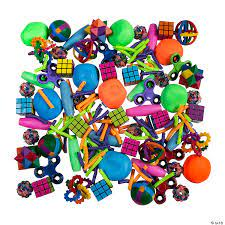
Having something for students to handle, manipulate, or play with while talking to the school counselor is important.  There are times a topic is too fresh or uncomfortable to come right out and talk about what’s on their mind.  Giving them something to fidget with helps struggling students, and adults, share their concerns. Of course I have paper and a variety of coloring tools and stress balls available.  However, the items below are some of the fidgets my students love best!

All of these items can be purchased on Amazon except for the ones listed as being from Dollar Tree.  The sequined “mermaid” pillows are just pillow covers and unless you have old throw pillows lying around you can use, you will need to buy a pillow to go inside each cover.  These also come in a variety of dual colors.

Kids and adults love these, and of course my students always sheepishly smile and ask to "have"  my fidgets.  But, I remind them I need to have these for the next student who may be struggling or for them should they need to return.

What fidgets do your students love?  What are some other types of fidgets you have in your office?


Saturday, September 8, 2018

Track Your Time with Google Forms: The Counselor Activity Log

     
Part of getting ready for back to school means updating my Google forms. If you don't know Google forms, they are an amazing tool!  I have used Google forms for years for a variety of purposes like minute meetings, documenting group attendance and session content, surveys, needs assessments, and pre/post tests. However, my favorite is for tracking my time each day.  I liked the Counselor Activity form I used for several years, but felt now that I was at a new school, it was in need of a little makeover. 

NEW this year, sections!
Even though my original form contained everything I  thought I wanted to document, it was long and cumbersome and a little confusing even to me at times. So this summer I learned how to add sections to my forms.  By using the Google form feature "sections" and including branch or skip logic, I was able to create a neater, more concise form. Skip logic changes what question a respondent sees next based on how they have answered the previous question.  Basically, it allows you to create a customized path through your form based on how a question is answered.

When you first open the Counselor Activity Log form, you will see a place for the date and four categories: Direct Services, Indirect Services, Non-Counseling Related Duties and a new, much needed category After Hours Services.  Because honestly, what school counselor is NOT volunteering mega hours after school and from home?  This should be part of your data collection as well.  There is too much to do in the course of a school day and it is important for stakeholders to see how much the school counselor is doing long after the school day is over.

Depending on what you want to record, choose your category and follow the questions until you get to the submit button. The items in each category can easily be deleted/revised or new tasks added to fit your school situation.

Each of the 4 major categories contains a drop-down menu of tasks or services specific to that section. If you choose Direct Services, you will get a screen with a drop-down menu that allows you to choose from 8 different direct services. From there, depending on the service you choose, the form allows you to log specific details for that service such as grade, gender, referred by, and referral type. For example if you choose individual or crisis counseling, the form takes you to a screen where you can choose the reason for the counseling and document essential information about the student seen.

If Indirect Services is chosen an alphabetized drop down menu of more than 30 indirect services provided by school counselors appears. If a phone call is chosen, the form takes you to a screen to document your phone call, including the name and number of the caller.  When Non-Counseling Related Duties is chosenyou will see a drop-down menu of more than 50 activities or duties considered non-counseling related. It also has a place for you to  notate what services were lost as a result of the non-counseling duty. Great for making your case about loss of time with students.  For After Hours Services,  a drop down menu of 8 items including work beyond the contract day and work from home is shown. This allows you to log the number of hours outside the school day you spend preparing for  your job.

The beauty of Google forms is your ability to customize them to fit your needs.  I have included as many different direct, indirect, non-counseling duties, and after hours services as I could think of in the drop down menus. However, I am sure there are other duties and services of which I am not aware or are unique to other schools.  No worries, you can add or delete duties relevant to your school, add teacher names or grade levels, whatever makes this form work for your data collection needs.

You will notice I made the questions on this form required (except for notes and follow-up) so I never forget or skip over any questions which are important for data collection. Although Google forms time stamps when you record your entry, it will not reflect the day and amount of time you actually provided the services unless you are recording responses in real time.  I seldom have time to do that and often do my logging at the end of the day.  Collecting data to reflect the day services are provided is important when giving others a preview of the fullness of your day or of specific times of day or days of the week.  If all your entries are only time stamped when you recorded the activity, you may be missing valuable data to show your busiest days or times.

Why Track Your Time?
There are always questions about what school counselors do with their time. Because much of what we do is confidential, it is safe to say, the majority of people in our schools and communities have no idea what a school counselor does all day.  This Counselor Activity Log provides a record of your responses to school needs, gives administrators an overview how your time is spent without violating confidentiality, and allows you to track your time for personal reflection. All this plus providing colorful graphs provide a clear visual representation to share with administration, faculty, parents, and the community. Data can be shared monthly, quarterly, by semester, or as an overview of the year.  You decide what best meets your needs.

Documenting your activities is a powerful advocacy tool for telling the story of how your position as a school counselor is being utilized. By using the data and graphs from this form, you will be able to tell your story of success or of the changes needing to be made in order for you to provide services to ALL students.

Available on TPT
If you are interested in downloading my new and improved, editable Google form  "Counselor Activity Log" with sections, designed specifically for elementary school counselors, middle school counselors and high school counselors, click on the photo of your level.
School Counselor Activity Log Elementary
School Counselor Activity Log Middle School


High School Counselor Activity Log


Friday, August 28, 2015

Meet the Counselor with Jenga!

Looking for a quick and easy "Welcome Back- What is a School Counselor lesson?"  Well, you've found one!  We've been playing School Counselor Jenga and the kids love it.  Actually, kids just love Jenga!   I had no idea how much until I bought a set of Jenga blocks for my School Counselor intro lesson. When I mentioned Jenga they got all excited. They stayed engaged the entire lesson and were very careful not to knock over the Jenga tower so everyone in their class could have a turn.
This was truly one of the easiest, simplest and most engaging lessons I have ever done. Seriously!

Lesson Prep
1. Buy Jenga blocks
2. Make and print a numbered list of questions
3. Number your blocks
4. Play School Counselor Jenga!

Make a numbered list of questions that reflect all the information you want your students to know about you, your job, procedures for seeing you, school rules, behavioral expectations or whatever is unique to you, your school, and your school counseling program. I came up with 42 questions for my lesson. You can see my list HERE to give you some ideas of what you might ask. Some of my questions are generic and can be used by all School Counselors, but since our schools, programs and procedures are different, your list will need to reflect the things that are special to your population and your school.  Next, get your Jenga blocks and using a black permanent marker, number the blocks to match your list of questions. You can number them on the top or on the end.  I chose to number mine on the end, no special reason.  I had about a dozen blank blocks left over, but that was okay, I had to rack my brain for the 42 questions on my list!

Playtime
After a brief introduction of new students, a reminder about procedures and my expectations for classroom behavior we got down to Jenga Time!  I explained I was not going to tell them about my job this year because they had been hearing from me for years.  This year, I was going have them tell me and each other what a School Counselor does.  I had the blocks set up on a table in the front of the room and told them we would take turns coming up and removing a block.  They would tell me the number and I would give them a School Counselor question.  If they couldn't answer it, they were allowed to call on a friend to help. I used the number of the day they were born to determine the order in which they would come up to take their turn. When I had 3 students born on the 18th, we went in order of which month came first.  The students had a great time, cheered, clapped and encouraged each other. Twenty-five missing blocks later our tower was still standing and my students had shown me how much they knew about what a School Counselor does and had taught our new students too.

Insights
As we played School Counselor Jenga, as I decided to call it, I had two thoughts.  First, I became aware of the things about my job the students struggled with or did not understand.  I  learned I have some re-teaching to do. Secondly, I began to realize my numbered Jenga blocks could be used in this same fun way to review a lesson or skills and assess how well my students understood the concepts of that lesson or unit.  How fun would that be?

The Inspiration
I was inspired to use Jenga after attending an ASCA session this summer on using games in your School Counseling program. I saw presenter Grace Wilhelm  demonstrate how she uses Jenga to get to know her students at the beginning of the school year. This got my brain thinking about how I could use games to introduce the School Counselor.  Thanks Grace!  To learn more about how to use all sorts of games in your counseling program, visit Grace at her blog Counselor Games.

Thanks for stopping by!  Here's to fun and engaging Meet the Counselor lessons!


Friday, August 21, 2015

15 Tips and Resources to Start a New School (Year)

For some of us "back to school" has happened much sooner than for others. And some of you "lucky ducks" still have a few weeks of summer vacation to go.  But, if you are a brand new School Counselor, or even an experienced School Counselor starting at a new school or new level, this can be not only an exciting, but anxious time.  The tips listed here are important things to consider to transition smoothly into a new school.  In addition to my original 12 tips and resources for School Counselors, I would like to add 3 more.  Read on for 15 tips to get your school year off to a great start!

#1 Talk expectations with your administrator.
Okay, hopefully in your interview you were able to ask what sort of expectations your administration has in regard to your role as the school counselor.  This is a biggie, so if this is a conversation you have not had, or even if you did, take some time before the rest of the faculty heads back to school and make an appointment to go in and talk it over. Learn about your administrator's vision for the school and their understanding of the role of the school counselor.  Share and discuss the the ASCA National Model Executive Summary and talk about how based on the ASCA National Model you can be part of that vision.

#2 Set up your office (the physical space).
There is nothing more exciting than getting to decorate your space.  Whether a closet size office, a classroom, or something in between (I have had all of the above) you will need to create a warm and welcoming space for not only your student visitors, but teachers and parents as well.   My latest office is in a portable classroom.  I have lots of space for classroom lessons, group and individual counseling. Plus, all my materials are in one place.  I really love this space. I hope it feels welcoming.


Your office should reflect your personality.  Be careful though not to be so "girly or rugged" that guys or girls can't stand to be there, or so busy it makes it difficult for your fidgety ones to calm down.  Yard sales and consignment stores are great places for finding rugs, lamps, board games, and small toys to give it that homey touch. Plants, curtains, colorful posters, books, playdough, a sand tray, board games, and art supplies are a few of the things that will complete the space.  You can also check out my Pinterest page for some office decorating and organizing ideas.

#3 Set up your office (your organizational system).
Organizing  the volume of data and information we have to handle is a huge responsibility and your ability to access it on a moments notice is the difference is looking like a seasoned pro versus, well, not making a good impression.  How you organize is a very individual thing and more personal, I think, than  how you decorate your space. Lots of folks can tell you how to organize, but the bottom line is you have to find what works for you. So until you do, I will share a very basic organizing system that has worked for me.  This year I am in transition and trying to go as paperless as possible and that means setting up Google forms for many of the ways I organize and use information.  I will share my paper method here.  Information on creating your own Google forms can be viewed HERE.

These are just a few ideas to get you started.  Perhaps you will find these methods helpful or will find some elements useful for creating your own system.

The "paper" system.
You will need: one 2 inch and two  1 1/2 inch  3 ring binders, 3 packs of eight tab dividers or 5 packs of  five tab dividers, a package of page protectors, 3 hole punch, a steno book, one plastic "milk" crate, letter size hanging folders, letter size files, and a calendar/planner.


 First, I create the 2 inch three ring binder I like to refer to as "Essential Information," but call it what you want.  There is a tab for "schedules" (your counselor schedule, class schedules, lunch, special area, ESE, Speech, Media, Recess, bus info or whatever your school has a schedule for) collect them all and place each in a page protector.  "Class lists"  are tabbed by each grade level and ESE.  The "student master"  tab refers to a great list I get from my data clerk that lists students on my caseload by last name with their parent's name and phone #.  A tab for "entries and withdrawals"  allows me to know who is coming and going (my registrar is great about keeping me in the loop) so I can scoop up the new students for a New Faces group. Last, there's a tab for "cum review" sheets,  but I'll talk about those later when we get to #4 Data.


Next I create the "Data Notebook."  This is one of the 1 1/2 inch binder with tabs for discipline referral data, attendance data, report card data (my school can run a D's and F's list),  a tab for "state test scores,"   and one each for student, teacher, and parent survey data. You will start with the data from the just completed school year, but after analyzing that and your  recent survey data from the start of this school year, that information will direct your focus for addressing the needs of your school for the  current school year.


Third, create the Classroom Lessons Notebook.  Using the other 1 1/2 inch binder, you can organize this by grade level or day of the week, it is entirely up to you.  I like day of the week and have tabs labeled Monday to Friday.  Behind each tab are the classes I see that particular day.  I have a class list with holes punched on the right side of the page and a class lesson agenda with holes punched on the left so when I open the notebook I can see the student's names on the left and my lesson on the right.  I am a visual learner so seeing the names of my students helps me to learn them all.  It also gives me a place to add the names of new students who join the class or notes if someone has a special need or needs to sit separately from a classmate.
Download my Black binder covers and page dividers  or my blue binder covers and page dividers for FREE at my Teachers Pay Teachers store.  Both are editable.

Next, the steno book.  This is my phone log and I keep it by my phone always!  Each morning I date the page for the day and every time I answer or make a call I write down the time, whether it was an incoming or outgoing call ( I use arrows -> or <-), the name of the caller, and any information or action I need to take in regard to the call.  If the school secretary leaves a note in my mailbox, I staple it to the back of the page and record the return call on the front.  This log is valuable beyond belief when it comes to documenting day, time, and content of calls.  It has been particularly useful for families who did not "remember" my call to them, documenting my calls to Child Services, and recording the numbers of individual investigators or agencies who call me regarding students. I tried using a Google form but found the paper version easier for me.  I will try again this year.

There are many VERY cute and personalized planners/calendars out there.  If you want to spend the money and if that works for you, go for it!  It's all about being organized.  But for me, as pretty and as tempting as some of those planner/calendars are, I stick with the basic "At a Glance" 5 x 7 leather binder with a $4.50 "Plan Ahead" calendar from Big Lots. I've had the leather binder for 5 or more years and can't remember what I paid, but it has been well worth it.  Since I do my lesson planning in the 3 ring binders for classes and organize groups in crates, this is really more of a calendar for keeping track of meetings, conferences, workshops, school holidays, teacher workdays, PD days, etc. While I see a lot of people wanting a "one stop" sort of planner, I've been thinking about that and decided I don't want confidential information like case or group notes or parent contacts in the planner where I am scheduling lessons, meetings and conferences. I have misplaced my planner at school once or twice. It would be too easy for that sort of information to be compromised. Just my opinion and something to think about as you make your personal choice.


I use the milk crate and hanging file folders to organize my groups.  Hanging files are labeled and arranged by day of the week and each group gets two hanging folders.  The first has 2 individual letter size folders for storing the group counseling log and permission slips and the other for storing group activity booklets of projects in process. The second hanging file has 6-8 folders each containing the lesson and materials to be used for each group session.

File folders are also used for individual counseling records.  As I see a student, I create a file for my notes, any conference forms, behavior contracts, etc.  It makes it easy to add to year after year. These are filed  alphabetically and should be in a locked filing cabinet or file box (not in a planner). When a student transitions to the middle school,  their file goes in a box of records for that school year and is stored for 7 years.  I don't know the official storage requirement, but my mentor told me long ago to keep my records for one year past the year the youngest students for that school year would be out of my school (in my case Kdg). At that point those records are destroyed.  Like I said, I don't know the official storage requirements, but 5 years ago I was glad I had some two and three year old records when Child Services came doing an investigation for court on a case we had been calling about for years.

As for lesson plans and activities, many are digital, but for others I use a letter file cabinet with hanging folders.  I file lessons by topic and then by grade within the topic folder.

#4  Data: Gather and Collect.
First, gather.  By gather, I mean get your hands on the school generated data that is already out there. These will help you to determine the  needs of your school and the direction of your program.  In that first meeting with your administrator request copies of the previous year's discipline referral data (I can get it by the quarter and for the year broken down by name, grade, gender, # of referrals, etc.), attendance data- who has more than 15 days absent and/or tardy, report card data as in students with D and F averages by subject for the school year.  Some report cards also have teachers mark conduct and personal development.  If there is a way to run a report on students who were marked unsatisfactory or needs improvement,  that data can be beneficial for determining the types of groups that are needed and by whom. Finally, of course, get copies of your standardized state testing scores if available. We don't expect ours until later in September. Organize, review, analyze, look for patterns.

Next collect.  By collect I mean take a teacher survey of perceived counseling needs, ask parents to complete surveys about their interest in particular newsletter, coffee talk, or workshop topics, and survey the students (usually grades 3-5) about any issues or concerns they are experiencing.
Another way I collect data is from a cumulative record review of new students. Teachers and administrators will be able to tell you about the students who are returning to your school, but the new students are unknown to everyone.  A cumulative record review can reveal lots of valuable and important information like medical and court issues, retention, multiple enrollments, and students in need of special academic or behavioral services. This at a glance sheet can assist you in getting to know your newest students.

For more information about data, check out Trish Hatch's book, The Use of Data in School Counseling.  This is a resource every School Counselor should have!

#5 Prepare introductory materials.
Every new counselor needs a letter of introduction to parents, a parent, a teacher, and a student needs survey, some business cards, a brief presentation of some type that describes your role as the school counselor, counseling referral forms, and a brochure to send home describing the role of the school counselor. Included here are samples of an introductory letter to parentsparent, teacher and student surveys, "Role of the Counselor" PowerPointcounselor referral forms, and a program brochure. Business cards can be ordered from Vistaprint or printed at home with your computer and color printer using Avery business cards.


#6 Sign up teachers for a "Meet the Counselor" class lesson.
During  pre-planning  get your teachers to sign up for their initial classroom counseling lesson (usually about 30-40 minutes).  Some people have recommended a free program called SignUpGenius to help schedule their classroom visits.   I'm in the special area rotation so I have not used it for scheduling, but have used it for several other activities involving coordinating the schedules of multiple people.  Click on the link above to see how easy it is to get your teachers to sign up on line.

#7 Present "Meet the Counselor" lessons in every classroom.
Make it your mission the first few weeks of school to get in every classroom and introduce yourself, do a brief activity, and take a student survey in grades 3-5.  These lessons can last around 30 minutes and will set the tone for who you are as a professional, how you handle your schedule, and get you out and about the campus and connecting with your students.  I have included  three of my "Meet the Counselor" lessons, for Kindergarten here , 1st grade here and 1st grade PowerPoint here and my "Meet the Counselor-Counselor Catcher"  here.  You may also find my  classroom counseling log for tracking the lessons in each class you visit helpful.   Be sure to check out  Pinterest for some awesome counselor boards filled with a variety of lessons and Teachers Pay Teachers for all sorts of free and low cost "Meet the Counselor" materials.

#8 Meet, greet, and survey teachers.
After the initial crush of "Meet the Counselor" lessons, depending on the size of your school, you will be anywhere from 2-4 weeks into the school year.  Teachers have had a chance to get to know their students a little and are beginning to have a sense of what their students need. Set aside a day to invite your teachers by your office (if too small, snag another more appropriately sized space) for a Counselor Open House.  I set it up for teachers to come by during their planning time for a quick snack and to fill out a student and class needs survey.  I usually have doughnuts, coffee and juice in the morning and soft drinks and cookies in the afternoon.  It's a chance to chat informally about how things are going with their students, address any questions or concerns, sign up for classes, share your form for referring students to see you and then send them on their way with a small token like pens, highlighters, motivational thought, candy etc.

#9 Share your role with the staff.
When you are having that little visit with your administrator you not only want to discuss expectations and data, but also ask for an opportunity to do a brief 7-10 minute presentation to the faculty about the Role of the School Counselor.  Keep it short and sweet.  There are still many educators that have little to no clue about what School Counselors really do.

#10 Meet and survey your families.
Notice I did not say parents.  So many of our children are being raised by grandparents, other relatives, or are in foster care.  Referring to their caregivers as family, offers sensitivity to their various situations which at times may be difficult or even traumatic.
The four best ways to meet the families of your students is to make yourself visible at Meet the Teacher, Open House, and at morning drop-off and dismissal. Make sure to have business cards with you!
Meet the Teacher: Our school hosts Meet the Teacher the Friday morning before the first day of school.  Everyone comes to find out who their teacher is and where their classroom is located. Showing your smiling face around campus to answer questions or provide directions gives you the perfect opportunity to start meeting your students and their caregivers. 
Open House: In our district, Open House is sometime between the 4th and 6th week of school.  Make your presence known by having your office open, maybe sitting outside of it, or having some fun music playing to attract the families as they walk by.  You could even invite students to stop by to sign up for a drawing for small prizes like lunch with the counselor, extra recess (you supervise, teacher gets a break),school supplies, or books.  
Morning Drop-off: Much can be observed by seeing the interaction of families and the mood of students as they are dropped off in the morning.  Smile, open car doors, say good morning, and offer encouragement for an awesome day.  Seeing your smiling face could be the best starter to a caregiver or student's day.
Dismissal:  At dismissal time there are lots of families on campus picking up their children. Get out and about among the throng.  Smiling, waving, and sharing an encouraging word with a caregiver regarding their student shows you are caring and approachable. 

There are so many forms and paperwork that go home with students the first couple of weeks at school in my district, I like to wait to send my parent survey home until about the third week of classes. You can send home a link to a Google form in a QR code, post your link in your parent newsletter, on your school Facebook or web page, or in a group email if your school has that capability.  Of course there is always the paper and pencil parent survey if you do not have these resources or your families have limited access to technology. 

#11 Get to know your students in small groups.
One of my favorite beginning of the year activities is meeting every student in the school in a small group for one "getting to know you session."  In the past few years, my school has been too large, but recent redistricting has reduced our population and I am excited to try again.  I take one third of the students in a class each day to my room during lunch  for a brief paper and pencil, drawing, or sentence completion activity.  I have also set myself up as a center activity in the primary classroom and am able to see some of the younger students more easily than walking them back and forth to my office. Depending on the needs of your school, this activity can take almost the entire first semester.  After meeting everyone for one "getting to know you session," the remainder of the year, I do a weekly New Faces group during lunch for one session. Sample invitations are available HERE.

Another terrific way to get to know your students is by doing "Minute Meetings" using Google forms. I learned this great idea from reading Andrea Burston's blog, jyj counselor.  Check out her post "Minute Meetings with a Tech Spin" to learn more about how you can use this awesome tool.

#12 Find a school-based mentor and a School Counselor mentor.
Finding a mentor is important, and I don't just mean a fellow counselor.  When you are new at a school it is important to find a seasoned faculty member with a positive attitude and good work ethic, who sees the value in what you do to show you the ins and outs of the school.  I have 2 teachers at my school whose opinions I highly respect. These ladies are the ones from whom I have learned the most about classroom management techniques. They are the first people I go to if I want to launch a new program or idea. They are the ones I ask to read any letters I might be sending home or emails to teachers I think are not quite clear.  They encourage me and respect what I do. They are an important part of my support system and I don't know what I will do when they retire!

Depending on the size of your district, will determine how easily you find a counselor mentor.  I work in a large district and when I first became a counselor, I was lucky enough to get a job in the same district where I interned and my internship supervisor was assigned as my mentor.  Maybe you can find a mentor in your district, or from your internship, or in one of the many online Facebook groups. Whether you meet in person, email, tweet, talk on the phone, or Skype, networking with other counselors is the best way to grow and learn and to diminish the isolation we can so easily feel as we pursue our school counseling program.


#13 Set your calendar for the year
Setting your calendar means including the dates for your classroom lessons, groups, school wide programming, professional development/workshops and parent events.  Now you may be thinking I don't even know when or how I am going to do those things yet!  That's okay.  I'm not talking about an exact date and time for all of the above, but something general, like this example for the first 2 months of school.


You may feel a little uncomfortable about what occurs at your school or even what you should be doing in the course of a year.  But, this is a great way to get the "big picture" of annual school events and traditions. Talking with your administration about the calendar not only shows interest in the traditions of your new school, it informs you of what other things may be coming your way as the school year progresses.  It also demonstrates your initiative, educates your administration about what programming you have to offer, and allows you to clearly see when to best schedule your events.  You never want to have to compete for participation, audience, and space. For example you may want to do a special parent night and discover the chorus is performing that same evening, or you want to do the Kindness Challenge and that is in the middle of state testing. Planning ahead helps insure successful programming.  So, bring your ideas, dates, and planner and have the calendar conversation.

#14 Creating lesson plans
When it comes to creating lesson plans, there are many websites, blogs, TPT and Pinterest activities to get you started. However trying to prepare classroom lesson plans K-5 for each topic can be overwhelming.  I always recommend my interns create just two lessons for each topic, one for primary and one for intermediate.  This allows you to get very comfortable with the lesson and to make improvements along the way to the content and activities as you see what works for each grade level.  Now you have 2 solid lessons in your bank on each topic for next year.  In year 2, you create just 2 more lessons for each topic one for primary and one for intermediate.  Now, you have 4 lessons for each topic.  In year 3 you do it all again and now you have 6 lessons total for each topic, one lesson per grade level. Students never get the same lesson twice because you are always adding new lessons.  This method reduces your stress level and allows you to really focus on creating quality lessons. I still do this when adding new lessons topics to my curriculum.  Check out some this blog post with a listing of FREE web resources.  You can also take a look at great websites with lessons in my LiveBinder. Just click on the link and it will open to some brightly colored tabs.  Look for the one that says "Websites with Lessons."

When writing your lesson plans you need a template.  ASCA has a great lesson plan template that I highly recommend. Click on the link, scroll to section 10 "Groups" and you will see the link to the lesson plan template.

#15 Set Realistic Goals
I know you have read and heard about all the fabulous things other School Counselors are doing in their programs.  And that can be a lot of pressure! Sometimes, it may even feel like you are not doing enough, or you should be doing more.   BUT, you are new, you have to pace yourself!  No one expects you to do in one year what others have built over 5-10 years or more.  So give yourself a break and don't demand it of yourself! A fully developed comprehensive School Counseling program doesn't happen your first year, or second, or sometimes even your third year. It is a constantly evolving thing every year of your career.  Your program in your first your will not look like it will at year 3, 5, 10 or 20!  You will grow, it will grow and one day the newbies will be in awe of what you have accomplished!

So, be patient. It's not possible to "do it all" as a new School Counselor and no one expects you to, so don't burden yourself with those thoughts. They steal your joy and your energy.  Set realistic goals for your first year. Pick 2 or 3 things you want to accomplish this school year and do them exceptionally well. Remember it's not about quantity, its about quality.  Better to do a few things well that impress people and are discussed and remembered favorably, rather than trying to do too much and have people talk negatively about you and your program.  Give yourself time to build relationships with your students, faculty, and parents, make them a priority at your new school and offer them a few high quality programs along the way. Build a strong foundation. Then next year, add one or two new things, while tweaking or revising the things you did the previous year. Set realistic goals and feel proud of the things you accomplish.

I  hope you will find these 15 tips for new School Counselors helpful or School Counselors moving to a new school helpful.  Are there things you wish you had known when you first started?  What sort of  things do you do to start the new school year?

Please share your tips and ideas below.
Here's to a great school year!!!

Monday, September 1, 2014

Meet the School Counselor: Making a "Counselor Catcher"

My students with their "Counselor Catchers." 

A new school year makes me want to start fresh with so many things.  This year I was interested in doing something different with my fifth graders for their "Meet the Counselor" lesson. So I thought I would let them tell each other what a School Counselor does, but it had to be in a fun and engaging way. Since only 4 of my 72 fifth graders were new this year and all of those had come from local schools with School Counselors, the "Counselor Catcher" was born.

This lesson took about 45 minutes and was done with only my fifth graders, although I imagine 4th grade could handle it as well.  During my lessons, one class had a fire drill and another was an early release day so I ended up with only 30 minutes.  In those classes we only got to play briefly, so I collected their "Counselor Catchers" to finish the game and debrief in our next lesson.

Preparing for the "Counselor Catcher" Lesson
I have my own classroom with tables and chairs for teaching classes.  Each table was pre-set with a canister of markers and either four white papers or four green papers on it. These were already printed with my questions and cut to size (8 1/2" x 8 1/2").  The green and white papers each contained a different set of questions. This makes it easier when playing the "Counselor Catcher" game to ensure students are asking and answering different questions and choosing different partners.

I have included the templates for the two sets of questions I used here and here.  After downloading my question templates you will need to make a few changes as some of the questions on the templates are specific to my school.  Feel free to adapt the questions to your role and your school situation.
A word of caution when copying templates!  Every printer/copy machine prints/copies differently. The printer I used at home for my original template copied the template differently on the school copy machine.  And even though it is a square it mattered where and how I placed it on the printer glass. Test print a copy of each template before making all you need for the lesson.  I didn't and I wasted a lot of time and paper!
         

Once your questions are changed to reflect your needs, copy half the number needed of each template in a separate color on regular printer paper.  I chose white and green printer paper because that is what I had, but feel free to use whatever colors you have available in order to distinguish between the two sets of questions and who can be partners with who.  Also, I do not recommend using card stock for this activity as it is too stiff.  Next, cut all the papers to size by trimming off the bottom 2 1/2 inches. This is best done with a paper cutter.

Make some extra copies of the question templates and practice folding these yourself before class. Although there are pictures on the slides, it helps to have practiced and to have a "Counselor Catcher" folded that students can see at the various stages in person.  Ok, download  and review the powerpoint (I have a space where you can add a photo of yourself if you want, or if not just delete it), gather your markers and your question sheets and you are now prepared to teach your class how to make a "Counselor Catcher" and how to play the "Counselor Catcher" game!

Presenting the "Counselor Catcher" Lesson
After a brief introduction to my classroom procedures and meeting our new students I told the boys and girls this year, rather then me reminding them about all the things I do, we would be making "Counselor Catchers" and they would be asking/telling each other about my job.  Many of the students had made "Fortune Tellers" or "Cootie Catchers" before and others didn't know how, but wanted to learn. So, there was a sense of excitement about what we were going to do.

Next, I turned on the Meet the School Counselor: How much do you know about your School Counselor? powerpoint and walked them through the steps of making their own "Counselor Catcher." With our "Counselor Catchers" complete, I explained  how to play the game (also on the powerpoint) and then gave them about 5-7 minutes to play the game, remembering they could only partner with someone who had a different color "Counselor Catcher" from them.  When I called time, I gave them another 5 minutes to partner with someone who had the same color "Counselor Catcher" as they did.


 Debriefing the "Counselor Catcher" Game
After completing the game, we returned to our seats to debrief.  I found there were some questions the students did not know and some they did not understand.  Yikes!!!  Had I not given a good explanation in previous years about my job role or did they still have summer brain?  The student's feedback gave me good information about what I needed to do differently in explaining my role and ideas for better wording of my questions on the "Counselor Catcher."  These were fun classes to teach with my 5th graders and definitely an activity I would do again.  I was thinking, could I possibly adapt the "Counselor Catcher" (maybe a "Bully Catcher") as a fun way to assess what my students have learned at the conclusion of a future unit?

What I learned...
This activity told me so much more about my students than just what they know or didn't know about the job of the School Counselor.  It was very informative to see who could follow step by step directions and who couldn't, or didn't.  It was interesting to observe how they helped one another. Did they offer encouragement and show their table mates what to do, or just do it for them? Who got frustrated and gave up or got an attitude?  Who asked for help and who sat there and said and did nothing? Also, I found the boys in my fifth grade classes seemed to struggle more with the paper folding than the girls.  Overall, I felt I got a sense of who my students are as individuals and problem solvers better than with anything I have done with them in a long time.  Wow!  I think I learned more than they did!

Here's hoping you have found this idea intriguing and are willing to try this activity with your students. Not only was it fun and engaging for all of us, but the students had a chance to review the role of the School Counselor and I had a chance to get to know my students on a deeper level. I highly recommend it!

What types of "Meet the Counselor" activities have you tried?  Have you ever done anything with paper folding?  If you try this activity, please let me know how it goes! I would love to hear about your experience. Thanks for stopping by!


Wednesday, July 30, 2014

New Counselors: 12 Tips and Resources for Starting a New School (Year)

New Counselors: 12 Tips and Resources
for Starting a New School (Year)
The Back to School signs are in all the stores. Fall clothing, shiny new technology, a plethora pencils, pens, and colorful backpacks and lunch boxes fill the aisles.  There's excited chatter on FB from my real life friends and my online friends on the the Elementary School Counselor Exchange.  I can feel the anticipation as we look forward to first-time or new positions, new schools, new students, new administrators, new programs, and new challenges. I see the eagerness in the posting of questions and the sharing of  plans, lessons, and ideas for the start of the new school year.  As I make my own plans, which include supervising an intern, I am thinking about the things will need to tell her and all the things I wished I had known when starting as a new counselor.

Below you will find my "New Counselors:  12 tips and resources for starting a new school (year). Whether you are a counselor with your first job, or someone with experience starting a new school, I hope you will find these ideas and resources helpful in getting your year off to a great start!

 Congratulations!  You got the job!  Now what do you need to do to get started?

#1 Talk expectations with your administrator.
Okay, hopefully in your interview you were able to ask what sort of expectations your administration has in regard to your role as the school counselor.  This is a biggie, so if this is a conversation you have not had, or even if you did, take some time before the rest of the faculty heads back to school and make an appointment to go in and talk it over. Learn about your administrator's vision for the school and their understanding of the role of the school counselor.  Share and discuss the the ASCA National Model Executive Summary and talk about how based on the ASCA National Model you can be part of that vision.

#2 Set up your office (the physical space).
There is nothing more exciting than getting to decorate your space.  Whether a closet size office, a classroom, or something in between (I have had all of the above) you will need to create a warm and welcoming space for not only your student visitors, but teachers and parents as well.   I am currently moving my office to a portable classroom, so photos will have to come in a later post.

Your office should reflect your personality.  Be careful though not to be so "girly," the guys can't stand to be there, or so busy it makes it difficult for your fidgety ones to calm down.  Yard sales and consignment stores are great places for finding rugs, lamps, board games, and small toys to give it that homey touch. Plants, curtains, colorful posters, books, playdough, a sand tray, board games and art supplies are a few of the things that will complete the space.  Check out my Pinterest for some office decorating and organizing ideas.

#3 Set up your office (your organizational system).
Organizing  the volume of data and information we have to handle is a huge responsibility and your ability to access it on a moments notice is the difference is looking like a seasoned pro versus, well, not making a good impression.  How you organize is a very individual thing and more personal, I think, than  how you decorate your space. Lots of folks can tell you how to organize, but the bottom line is you have to find what works for you. So until you do, I will share a very basic organizing system that has worked for me.  This year I am in transition and trying to go as paperless as possible and that means setting up Google forms for many of the ways I organize and use information.  I will share my paper method here.  Information and copies of my Google docs will have to wait for a later post. These are just a few ideas to get you started.  Perhaps you will find these methods helpful or will find some elements useful for creating your own system.

The "paper" system.
You will need: one 2 inch and two  1 1/2 inch  3 ring binders, 3 packs of eight tab dividers or 5 packs of  five tab dividers, a package of page protectors, 3 hole punch, a steno book, one plastic "milk" crate, letter size hanging folders, letter size files, and a calendar/planner.


 First, I create the 2 inch 3 ring binder I like to refer to as "Essential Information," but call it what you want.  There is a tab for "schedules" (your counselor schedule, lunch, special area, ESE, Speech, Media, Recess, bus info or whatever your school has a schedule for) collect them all and place each in a page protector.  "Class lists"  are tabbed by each grade level and ESE.  The "student master"  tab refers to a great list I get from my data clerk that lists students by last name with their parent's name and phone #.  A tab for "entries and withdrawals"  allows me to know who is coming and going (my registrar is great about keeping me in the loop) so I can scoop up the new students for a New Faces group. Last, there's a tab for "cum review" sheets,  but I'll talk about those later when we get to #4 Data.


Next I create the "Data Notebook."  This is one of the 1 1/2 inch binders with tabs for discipline referral data, attendance data, report card data (my school can run a D's and F's list),  a tab for "state test scores,"   and one each for student, teacher, and parent survey data. You will start with the data from the 2013-14 school year, but after analyzing that and your  recent survey data from the start of the school year, that information will direct your focus for addressing the needs of your school for the 2014-15 school year.


Third, create the Classroom Counseling Notebook.  Using the other 1 1/2 inch binder, you can organize this by grade level or day of the week, it is entirely up to you.  I like day of the week and have tabs labeled Monday to Friday.  Behind each tab are the classes I see that particular day.  I have a class list with holes punched on the right side of the page and a class lesson agenda with holes punched on the left so when I open the notebook I can see the student's names on the left and my lesson on the right.  I am a visual learner so seeing the names of my students helps me to learn them all.  It also gives me a place to add the names of new students who join the class or notes if someone has a special need or needs to sit separately from a classmate.
Download my  blue binder covers for FREE at my Teachers Pay Teachers store.

Next, the steno book.  This is my phone log and I keep it by my phone always!  Each morning I date the page for the day and every time I answer or make a call I write down the time, whether it was an incoming or outgoing call ( I use arrows -> or <-), the name of the caller, and any information or action I need to take in regard to the call.  If the school secretary leaves a note in my mailbox, I staple it to the back of the page and record the return call on the front.  This log is valuable beyond belief when it comes to documenting day, time, and content of calls.  It has been particularly useful for families who did not "remember" my call to them, documenting my calls to Child Services, and recording the numbers of individual investigators or agencies who call me regarding students.

There are many very cute and personalized planners/calendars out there.  If you want to spend the money and if that works for you, go for it!  It's all about being organized.  But for me, as pretty and as tempting as some of those planner/calendars are, I stick with the basic "At a Glance" 5 x 7 leather binder with a $4.50 "Plan Ahead" calendar from Big Lots. I've had the leather binder for 5 or more years and can't remember what I paid, but it has been well worth it.  Since I do my lesson planning in the 3 ring binders for classes and organize groups in crates, this is really more of a calendar for keeping track of meetings, conferences, workshops, school holidays, teacher workdays, PD days, etc.


I use the milk crate and hanging file folders to organize my groups.  Hanging files are labeled and arranged by day of the week and each group gets two hanging folders.  The first has 2 individual letter size folders for storing the group counseling log and permission slips and the other for storing group activity booklets of projects in process. The second hanging file has 6-8 folders each containing the lesson and materials to be used for each group session.

File folders are also used for individual counseling records.  As I see a student I create a file for my notes, any conference forms, behavior contracts, etc.  It makes it easy to add to year after year. These are filed  alphabetically and should be in a locked filing cabinet or file box. When a student transitions to the middle school,  their file goes in a box of records for that school year and is stored for 7 years.  I don't know the official storage requirement, but my mentor told me long ago to keep my records for one year past the year the youngest students for that school year would be out of my school (in my case Kdg). At that point those records are destroyed.  Like I said, I don't know the official storage requirements, but 5 years ago I was glad I had some two and three year old records when Child Services came doing an investigation for court on a case we had been calling about for years.

As for lesson plans and activities, many are digital, but for others I use a letter file cabinet with hanging folders.  I file lessons by topic and then by grade within the topic folder.

#4  Data: Gather and Collect.
First, gather.  By gather, I mean get your hands on the data that is already out there.  You will need it to determine the  needs of your school and the direction of your program.  In that first meeting with your administrator request copies of the previous year's discipline referral data (I can get it by the quarter and for the year broken down by name, grade, gender, # of referrals, etc.), attendance data- who has more than 15 days absent and/or tardy, report card data as in students with D and F averages by subject for the school year.  Some report cards also have teachers mark conduct and personal development.  If there is a way to run a report on students who were marked unsatisfactory or needs improvement,  that data can be beneficial for determining the types of groups that are needed and by whom. Finally, of course, get copies of your standardized state testing scores.
Next collect.  By collect I mean take a teacher survey of perceived counseling needs, ask parents to complete surveys about their interest in particular newsletter, coffee talk, or workshop topics, and survey the students (usually grades 3-5) about any issues or concerns they are experiencing.
Another way I collect data is from a cumulative record review of new students. Teachers and administrators will be able to tell you about the students who are returning to your school, but the new students are unknown to everyone.  A cumulative record review can reveal lots of valuable and important information like medical and court issues, retention, multiple enrollments, and students in need of special academic or behavioral services.

#5 Prepare introductory materials.
Every new counselor needs a letter of introduction to parents,  a parent, a teacher, and a student needs survey, some business cards, a brief presentation of some type that describes your role as the school counselor, counseling referral forms, and a brochure to send home describing the role of the school counselor. Included here are samples of an introductory letter to parents, parent, teacher and student surveys, "Role of the Counselor" PowerPoint, counselor referral forms, and a program brochure. Business cards can be ordered from Vistaprint or printed at home with your computer and color printer using Avery business cards.


#6 Sign up teachers for a "Meet the Counselor" class lesson.
During  pre-planning  get your teachers to sign up for their initial classroom counseling lesson (usually about 30 minutes).  Some people have recommended a free program called SignUpGenius to help schedule their classroom visits.   I'm in the special area rotation so I have not used it, but I hear reports it is a great website.  Click on the link above to see how easy it is to get your teachers to sign up on line.

#7 Present "Meet the Counselor" lessons in every classroom.
Make it your mission the first few weeks of school to get in every classroom and introduce yourself, do a brief activity, and take a student survey in grades 3-5.  These lessons can last around 30 minutes and will set the tone for who you are as a professional, how you handle your schedule, and get you out and about the campus and connecting with your students.  I have included  two of my "Meet the Counselor" lessons for Kindergarten here , 1st grade here and 1st grade PowerPoint here.  You may also find my  classroom counseling log for tracking the lessons in each class you visit helpful.   Be sure to check out  Pinterest for some awesome counselor boards filled with a variety of lessons and Teachers Pay Teachers for all sorts of  free and low cost "Meet the Counselor" lessons.

#8 Meet, greet, and survey teachers.
After the initial crush of "Meet the Counselor" lessons, depending on the size of your school, you will be anywhere from 2-4 weeks into the school year.  Teachers have had a chance to get to know their students a little and are beginning to have a sense of what those students need. Set aside a day to invite your teachers by your office (if too small, snag another more appropriately sized space) for a Counselor Open House.  I set it up for teachers to come by during their special area time for a quick snack and to fill out a student and class needs survey.  I usually have doughnuts, coffee and juice in the morning and soft drinks and cookies in the afternoon.  It's a chance to chat informally about how things are going with their students, address any questions or concerns, share your form for referring students to see you and then send them on their way with a small token like pens, highlighters, motivational thought, candy etc.

#9 Share your role with the staff.
When you are having that little visit with your administrator you not only want to discuss expectations and data, but also ask for an opportunity to do a brief 5-7 minute presentation to the faculty about the role of the school counselor.  Keep it short and sweet.  There are still many educators that have little to no clue about what School Counselors really do.

#10 Meet and survey your families.
Notice I did not say parents.  So many of our children are being raised by grandparents, other relatives, or are in foster care.  Referring to their caregivers as family, offers sensitivity to their various situations which at times may be difficult or even traumatic.
The three best ways to meet the families of your students is to make yourself visible at Meet the Teacher, Open House, and at dismissal. Make sure to have business cards with you!
Meet the Teacher: Our school hosts Meet the Teacher the Friday morning before the first day of school.  Everyone comes to find out who their teacher is and where their classroom is located. Showing your smiling face around campus to answer questions or provide directions gives you the perfect opportunity to start meeting your students and their caregivers. 
Open House: In our district, Open House is sometime between the 4th and 6th week of school.  Make your presence known by having your office open, maybe sitting outside of it, or having some  fun music playing to attract the families as they walk by.  You could even invite students to stop by to sign up for a drawing for small prizes like lunch with the counselor, extra recess (you supervise, teacher gets a break),school supplies, or books.  
Dismissal:  At dismissal time there are lots of families on campus picking up their children. Get out and about among the throng.  Smiling, waving, and sharing an encouraging word with a caregiver regarding their student shows you are caring and approachable. 

#11 Get to know your students in small groups.
One of my favorite beginning of the year activities is meeting every student in the school in a small group for one "getting to know you session."  In the past few years, my school has been too large, but recent redistricting has reduced our population and I am excited to try again.  I ask each teacher for a three 30 minute blocks in which I will pull a third of his/her students each block. I then divide the students into 3 groups and bring them to my room for a brief paper and pencil, drawing, or sentence completion activity.  I have also set myself up as a center activity in the primary classroom and am able to see some of the younger students more easily than walking them back and forth to my office. Depending on the needs of your school, this activity can take almost the entire first semester.  After meeting everyone for one "getting to know you session," the remainder of the year, I do a weekly New Faces group, often during lunch for one session, to catch any new students that may have entered my school. Here is a sample invitation.

#12 Find a school-based mentor and a School Counselor mentor.
Finding a mentor is important, and I don't just mean a fellow counselor.  When you are new at a school it is important to find a seasoned faculty member with a positive attitude and good work ethic, who sees the value in what you do to show you the ins and outs of the school.  I have 2 teachers at my school whose opinions I highly respect. These ladies are the ones from whom I have learned the most about classroom management techniques. They are the first people I go to if I want to launch a new program or idea. They are the ones I ask to read any letters I might be sending home or emails to teachers I think are not quite clear.  They encourage me and respect what I do. They are an important part of my support system and I don't know what I will do when they retire!

Depending on the size of your district, will determine how easily you find a counselor mentor.  I work in a large district and when I first became a counselor, I was lucky enough to get a job in the same district where I interned and my internship supervisor was assigned as my mentor.  Maybe you can find a mentor in your district, or from your internship, or in one of the many online Facebook groups. Whether you meet in person, email, or talk on the phone or Skype, networking with other counselors is the best way to grow and learn and to diminish the isolation we can so easily feel as we pursue our school counseling program.

I  hope you will find these 12 tips for (new) counselors helpful.  Are there things you wish you had known when you first started?  What sort of  things do you do to start the new school year?
Please share your tips and ideas below.